Material that was never dried
Water is extracted, the surface looks fine, and the insulation and framing behind it stay wet for weeks. The most common route from a manageable event to a full remediation.
Growth on wet building material commonly begins within 24 to 48 hours. What happens in those first two days — whether the material got dried or got closed back up — largely determines whether this becomes a cleanup or a remediation.
Editorial policy · Provider standards
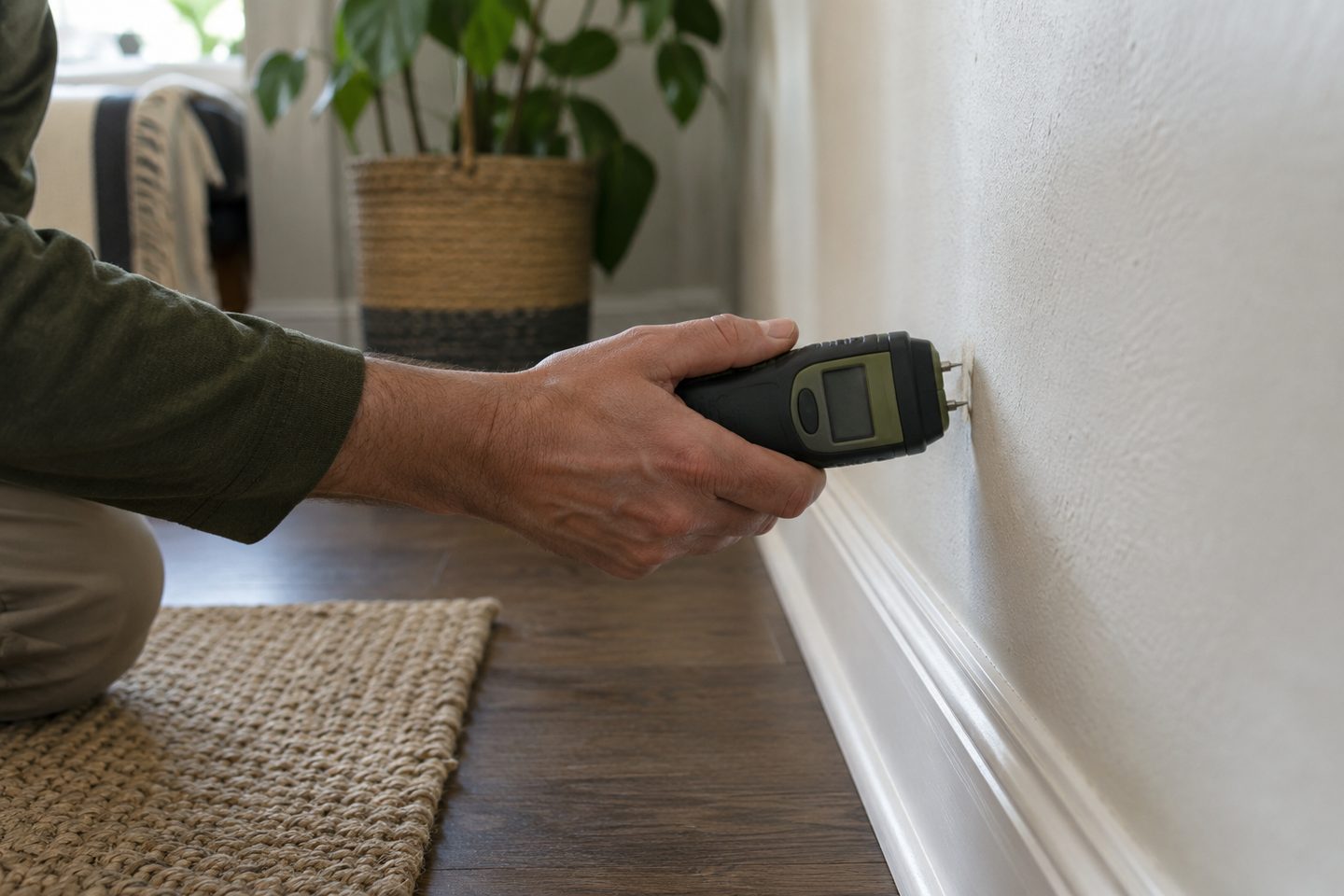
Water is extracted, the surface looks fine, and the insulation and framing behind it stay wet for weeks. The most common route from a manageable event to a full remediation.
Drywall draws water upward well past where the flood stopped. Cutting at the visible line routinely leaves wet material in place.
Insulation in a wall cavity, subfloor under vinyl or laminate, and carpet pad. None of them dry in place at any useful speed.
Clean supply water, grey water from an appliance, and sewage are three different jobs. Category matters more than volume for what has to be removed.
A leak behind a wall or under a floor found weeks later. By then the question is extent, not whether.
None of this requires opening up a wall or disturbing anything that looks like growth.
Before you pay anyone, it is worth knowing what the building's own conditions look like — age, basement type, drainage, rainfall and flood history all shape how likely a moisture problem is here.
A data-based estimate — not an inspection, mold test, or medical diagnosis. How this works · How we handle your address
Within the first couple of days, drying is the whole job — a restoration or remediation firm with equipment, working to a documented moisture target. Once the structure is dry, an assessment establishes whether anything has to come out. If the water sat for longer than a couple of days, assume material is affected and get the extent documented before collecting quotes.
Establishes whether there is a moisture problem, where the water is coming from, and whether sampling would add anything.
Find testing professionals →Contains, removes, and dries affected material against a scope that has already been identified and documented.
Find remediation companies →Verifies that completed work met its own scope, carried out by someone who did not perform the work.
Find independent verification →This page explains a building problem and how to decide what to do about it. It does not diagnose a health condition, confirm mold in any specific property, or replace an on-site assessment. Health questions belong with a licensed clinician.
One address, a few seconds, and a clear read on what to look into next.
A data-based estimate — not an inspection, mold test, or medical diagnosis.